
Zambia
Young people have the power to tackle the world's biggest challenges. Since 2003 we have been working with young people in Zambia to ensure that their voices are heard in the decisions that affect their lives, their bodies, their health and wellbeing, their livelihoods and their communities.
Zambia
Young people have the power to tackle the world's biggest challenges. Since 2003 we have been working with young people in Zambia to ensure that their voices are heard in the decisions that affect their lives, their bodies, their health and wellbeing, their livelihoods and their communities.
Support our work by giving a donation to Restless Development Zambia
We support young people to create change in their communities. But we can't do it alone. We need your support. By donating to us you are supporting our work to train more young people who will create change in their communities.
Featured projects

SHE SOARS
SHE SOARS (Sexual and reproductive Health & Economic empowerment Supporting Out of school Adolescent girls’ Rights and Skills) aims to improve access to Sexual and Reproductive Health (SRH) services for adolescents, particularly out-of-school adolescent girls, in Zambia, Kenya, and Uganda, and support the realization of these rights. Working along side health care providers and key …
AIM YOUTH POWER
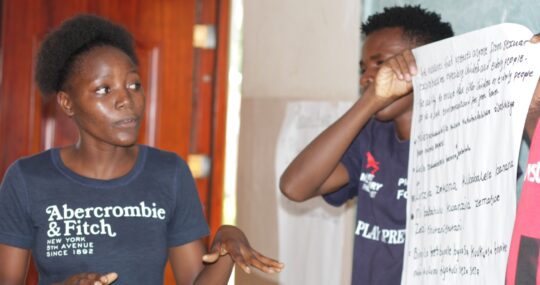
Enabling young people to lead change and development The Aim Youth Power project supports youth-led accountability of duty-bearers articulated around the capacity-building of a network of youth-led organizations that are already active in youth-led accountability. By working through these organizations, the project aims to create a sustainable approach that ensures young people can safely participate …




Youth Advocacy Builds Maternity Wing
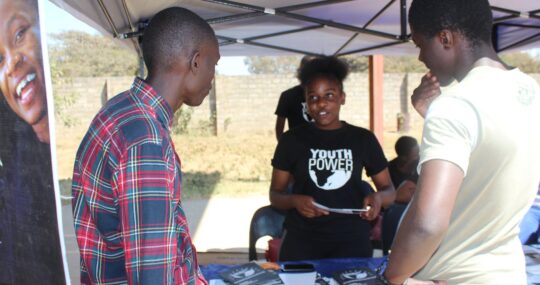
The new maternity wing is very spacious and can accommodate more women. This is as a result of Ishiwi. Without young people standing up to speak, this would have not been possible.
Philis Hamambo




Quick links
Contact us
Head Office
Kabwe,
Zambia,
PO Box 80305 +260 211 250 579 infozambia@restlessdevelopment.org