
Uganda
Young people have the power to tackle the world’s biggest challenges. We help diverse young people to ensure equal access for all to decent work, essential public services and a productive, dignified life.
Uganda
Young people have the power to tackle the world’s biggest challenges. We help diverse young people to ensure equal access for all to decent work, essential public services and a productive, dignified life.
Featured projects

Green Jobs project
Climate change is one of the most pressing issues affecting our world and will be a major issue that young people will have to contend with in the future. The effects of climate change are likely to hit sub-Saharan Africa the hardest where youth populations are already large and only projected to grow. Like many …

SHE SOARS
Supporting out-of-school Adolescent girls in Uganda through Sexual and reproductive Health education. Adolescent girls face many barriers in exercising their Sexual and Reproductive Health rights,. The cost of these barriers are devastating and deadly. Barred from seeking services and making decisions about their health, one to 4 adolescent girls become mothers every year in Uganda.* …
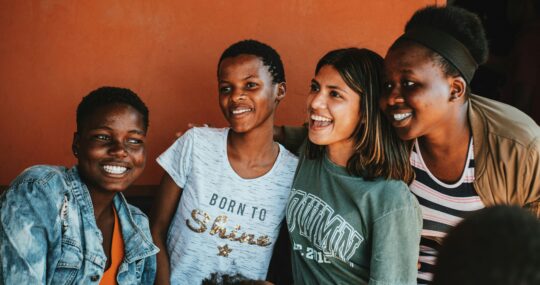

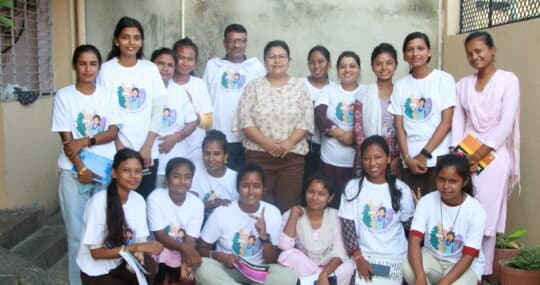


Bosco's Story
Now we are seeing families making decisions together... so everyone is empowered.
Bosco, Entrepreneur
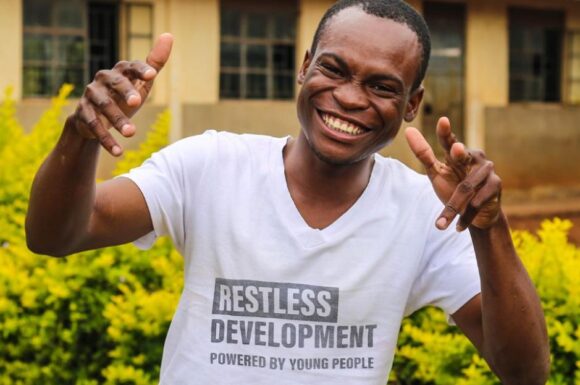


This is us


Contact us
Kampala (HQ)
Ministers Village, Ntinda
Kampala +256 200 906450 infouganda@restlessdevelopment.org
Moroto
Independence Avenue
Moroto +256 393 241133 infouganda@restlessdevelopment.org
Jinja
Ngonde Ntende Road,
Block P 9/10
Walukuba West, Jinja +256 755 097827 infouganda@restlessdevelopment.org